
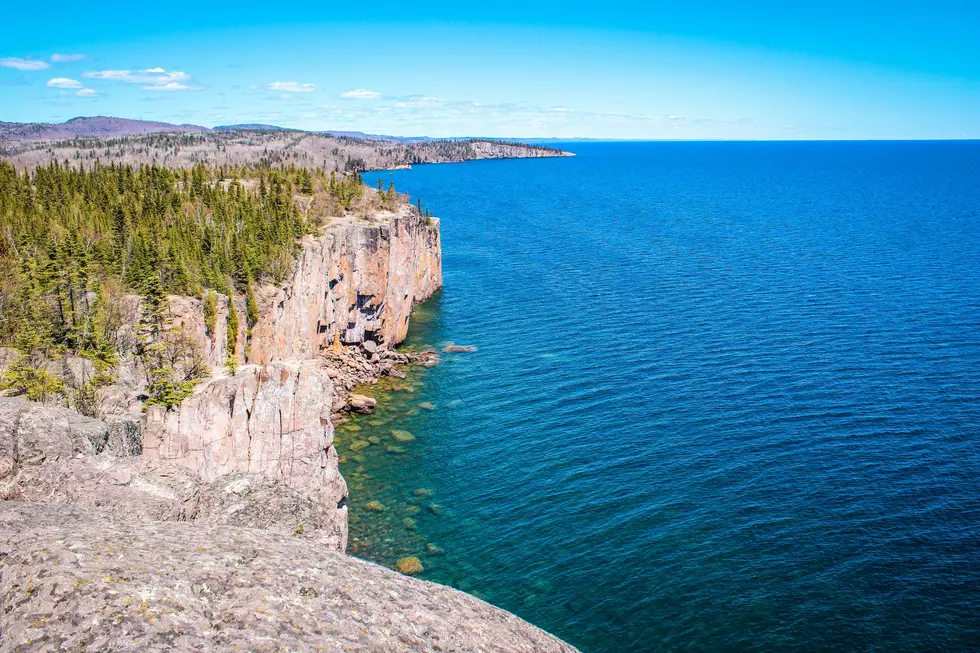
I've lived here most of my life, and I've never heard of upwelling until today. I had to look it up after a puzzling post from the National Weather Service. Somehow, even when it's 90 degrees, the Lake Superior Water on the North Shore plummeted to very chilly conditions. How does that happen when it's so hot outside?
Extreme Heat Warning Through Tuesday 7 PM
We've had temperatures in the 90s over the weekend. It's been hot and humid, and our air conditioners are running nonstop. We're under an extreme heat advisory until Tuesday at 7 pm. So how can Lake Superior water get colder? Shouldn't it be getting hotter?
Upwelling - Warm Water Pushed Away From Shore, Cold Water Replaces
Upwelling is when the southwest wind carries the warm surface water away from shore. Frigid water from the deep rushes in to replace it, causing water temperatures to go from the upper 70s to the low 40s very quickly. You can drop 25 degrees in water temperature in just a couple of hours.
Southwest winds cause it to happen on Minnesota's North Shore. Strong northeast winds cause it on the South Shore of Lake Superior.
It's also occurring on the east side of the Apostle Islands, near Bayfield, Wisconsin.
Read More: These Duluth Airshow Phone Calls Are Comedy Gold
So if you can't beat the heat, head over to the North Shore for a quick icy jump into the frigid waters of Lake Superior, even when it's a heat index of over 100. Stay hydrated!
LOOK: The most extreme temperatures in the history of every state
Gallery Credit: Anuradha Varanasi
More From B105