
17 Minnesota Cities Now Pulling The Plug On Flock Cameras
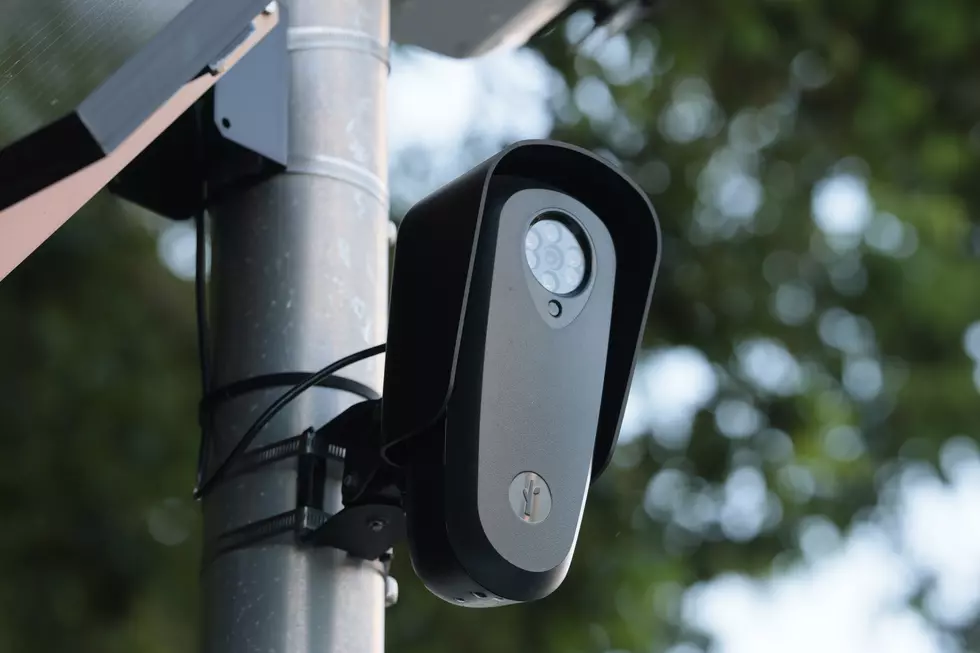
You've probably driven past one without giving it a second thought. It's a small black camera mounted on a pole near an intersection, a solar panel perched on top, quietly snapping a photo of every vehicle that rolls by.
Those are Flock cameras, and over the past year they've gone from something most Minnesotans had never heard of to one of the hottest debates at city council meetings across the state.
Now a growing list of Minnesota cities and counties are turning them off, taking them down, or cutting ties with the company altogether.
What Are Flock Cameras, Anyway?
Flock Safety cameras are automated license plate readers that use artificial intelligence to capture and store plate numbers, vehicle makes and models, and even small details like a bike rack or a bumper sticker.
That information is checked against a "hot list" of stolen vehicles, wanted suspects, and Amber Alerts.

The volume is staggering. In just 30 days, cameras in St. Louis County detected over 117,000 vehicles, with more than 1,000 of them flagging on the hot list. We recently shared an interactive map showing where cameras are located across northern Minnesota.
Why Police Departments Like Them
For law enforcement, the appeal is clear. Police say the cameras help track down stolen cars, locate missing people, and identify suspects in serious crimes.
In Plymouth alone, the police chief said the cameras helped solve at least 20 crimes this year.
So Why the Pushback?
However, the trust started to crack in 2026. A Minnesota Star Tribune investigation found federal agencies had accessed Flock data for immigration enforcement, despite state law limiting its use to criminal investigations.
A separate national investigation documented dozens of officers accused of misusing the data, including for stalking. Then there are the mistakes. In Plymouth, a camera misread led to a couple being stopped at gunpoint in a Kohl's parking lot.
Meanwhile, some frustrated residents have taken matters into their own hands, and reports of cameras being cut down and stolen have piled up statewide.
Flock has responded by cutting its default data retention from 30 days to 7, letting agencies filter out immigration-related searches, and adding audit tools to flag misuse. For many communities, it came too late.
Minnesota Communities That Have Ended Flock Camera Use
Brooklyn Park was one of the first to walk away, cancelling its contract at the end of December 2025. The city had signed on in fall 2024 for eight cameras at a cost of $28,000, but police cited poor data-sharing protocols and customer support concerns. The city still wants plate readers and is switching to a system without the data-sharing function.
In June, the city council voted unanimously to cancel its contract and remove its 12 cameras. Mayor Amáda Márquez Simula called it "a really great tool that's been so valuable," but said there were still too many unknowns about who could access the data.
Crystal pulled all six of its cameras in September and ended data sharing with other agencies. Police Chief Brian Hubbard made it clear this wasn't a pause, saying the best path forward was to completely end involvement with the program.
The Duluth Police Department notified Flock this summer that it would not renew its 12-month, grant-funded contract, which ended September 7. The department says it will continue using other license plate reader tools.
North Branch paused its installation in mid-August, and the council voted unanimously to cancel the agreement on August 26. Three cameras came down, and four others were never installed, though Flock says the city is still on the hook for its three-year contract.
The latest city to pull the plug, Plymouth's council voted Tuesday night to discontinue all 16 cameras. Mayor Jeffry Wosje was the lone vote against, saying he prioritized "the ability to keep our residents safe and catch the bad guys."
St. Paul is removing its two city-owned cameras after a City Council resolution and reports that other agencies shared its data with federal agencies. The move doesn't affect the Ramsey County Sheriff's Office cameras inside city limits, which are staying put.
All eight of Winona's cameras were cut down and stolen over a few days in late July and early August. Rather than replace them, police announced they won't be putting them back, citing growing public concerns about trust.
The sheriff ended a free trial, pointing to the $3,000 per camera cost against other budget priorities. Residents had also raised privacy concerns, and the sheriff left the door open to reconsidering down the road.
Itasca County had more than a dozen cameras, but only about five were still standing after vandalism. The county removed them all by September 10. "These companies mine data, and we don't know what data it is or who they sell it to," Sheriff Joe Dasovich said. The city of Grand Rapids still runs its own nine cameras.
Sherburne County had all of its cameras dismantled by August 12. "We don't want to erode the trust that we have with them," Cmdr. Ben Zawacki said of the communities the office serves.
Half of the county's 10 cameras were stolen over the summer, and the pilot program ended on August 10. Sheriff Gordon Ramsay said, "We've had some success, but not to warrant the cost." Commissioners heard concerns from residents across the political spectrum.
Communities That Have Paused or Suspended Flock
After vandals struck two camera sites, Champlin pulled every camera offline. As of September 1, none were operating, and there's no timeline for putting them back up.
The council voted 5-0 to suspend all plate reader programs through the end of 2027. The cameras were already down after some were damaged, but the city is contractually locked in until December 31, 2027.
Back in March, the Shorewood City Council had South Lake Minnetonka police turn off its camera until a required audit could be completed.
West St. Paul suspended its program in August and removed all 10 cameras. "Trust depends on understanding, and this technology is complex and moving faster than the public conversation about it," City Manager Nate Burkett said. Bringing them back would require council approval.
Communities That Have Scaled Back
University police agreed to remove one camera at Cedar and Riverside avenues after pushback from neighbors in the Cedar-Riverside community. The department's other cameras around campus remain in use.
Most Minnesota Agencies Are Keeping Them
Still, it's worth keeping perspective. According to the Minnesota Privacy Project tracker, more than 100 Minnesota agencies are still using Flock, from Minneapolis and Edina to Hibbing and Grand Rapids.
Some, like Wyoming, recently renewed their contracts, and Fridley decided to keep its cameras up despite negative feedback.
The debate isn't just a Minnesota thing either. Next door, a Wisconsin court recently ruled that Flock camera history can support a search, and lawmakers here have pushed for statewide guardrails on how the data is used.
SEE NOW: 25 Outstanding Minnesota Colleges Make U.S. News’ 2027 Best List
What stands out in nearly every one of these decisions is that few leaders called the technology useless. Most said it works. What they couldn't guarantee was who else was looking and what else the information gathered could be used for.
The lesson from these council chambers is a simple one: a tool is only as strong as the public's trust in it. Once that trust slips, even the most useful technology can lose its appeal.
12 Minnesota Cities With Data Centers
Gallery Credit: Ken Hayes
Visit the 8 Scariest Haunted Houses & Hayrides in Minnesota... IF YOU DARE!
Gallery Credit: Minnesota Now
More From B105