

New Report Says Minnesota Isn’t Getting Hotter, Just Less Cold
If you've lived in Minnesota for any length of time, you've probably heard someone say, "Winters just aren't what they used to be."
As someone who moved here from Texas, I hear that all the time. And every winter, when it's 15 below zero and my face hurts just walking to the mailbox, I can't help but think: this is the milder version?!
READ MORE: Has it Ever Snowed in July in Minnesota?
Now, a newly released climate report is adding more fuel to the Minnesota weather debate.
The report, published by The Heartland Institute, looked at more than a century of weather, agriculture and wildfire data from federal sources, including NOAA and the USDA. According to the report, Minnesota's climate is changing, but maybe not in the way many people assume.
Minnesota Is Warming, But Mainly During Winter
One thing that stood out the most from the report is that Minnesota isn't necessarily seeing more extreme heat. Instead, researchers say the state has become less cold over time.
The average temperatures in Minnesota have risen by about 2.5 degrees since 1900, but the number of days hitting 90 degrees or higher has actually declined since the Dust Bowl era of the 1930s. What has become less common are those brutally cold days when temperatures never climb above zero.
That lines up with what a lot of longtime Minnesotans have been saying for years: winters still pack plenty of punch, but the deep-freeze stretches don't seem to last quite as long.
Other climate researchers, including experts with the University of Minnesota, have also found that Minnesota's winters are warming faster than other seasons and that average winter temperatures have risen significantly over the past century.
The report also looked at other weather trends around Minnesota.
Report Finds Fewer Wildfires, No Tornado Increase, and Higher Crop Yields in Minnesota
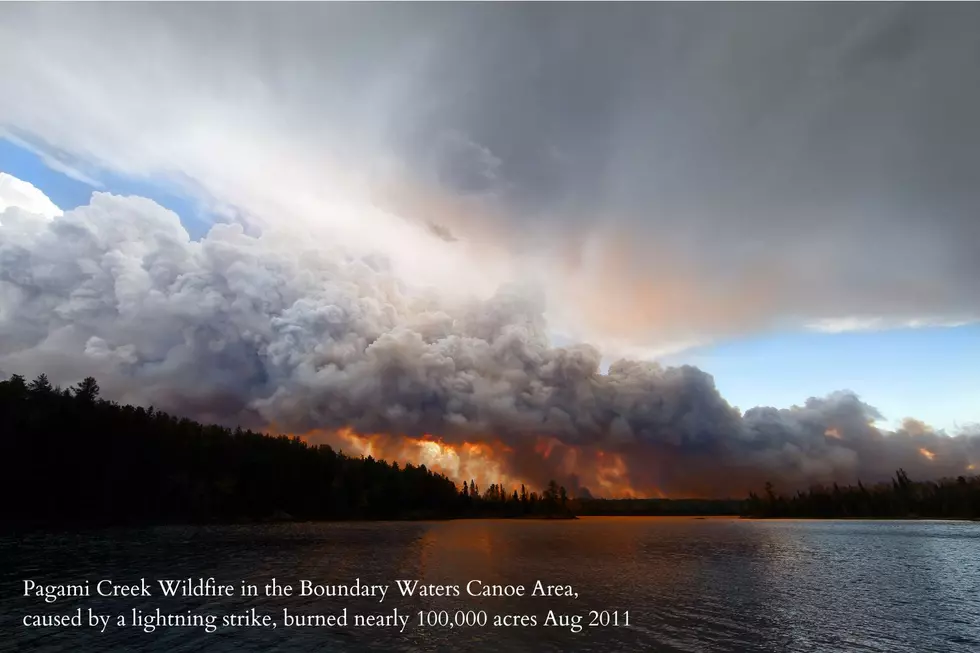
According to the data, tornado activity in Minnesota hasn't shown any long-term increase between 2000 and 2024. The report also found that both the number of wildfires and the total amount of land burned have generally gone down during the years studied.
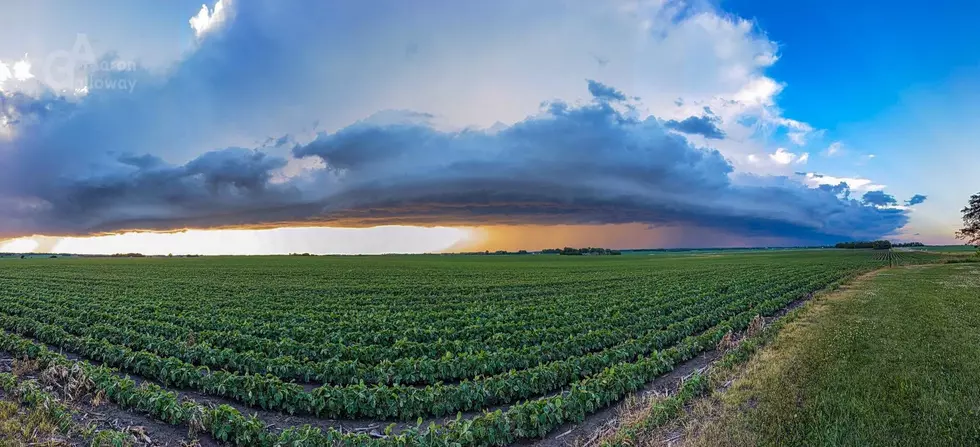
When it comes to farming, the report says Minnesota agriculture is thriving. Crop yields for corn, soybeans, wheat, and sugar beets have all increased significantly over the years. Researchers say better farming practices, longer growing seasons, and other factors have all likely played a role.
11 of the Most Devastating Weather Disasters in Minnesota Throughout The Years
Gallery Credit: Jessica Williams
More From B105