
The Surprising Ways Falling Back Affects Minnesota and Wisconsin
The end of Daylight Saving Time happens every year on the first Sunday in November, and this year, that's Sunday, November 1.
People throughout Minnesota and Wisconsin will set their clocks back an hour, hoping to enjoy that glorious "extra" hour of sleep. Then by Monday afternoon, the sun is packing up and heading home before we are.
And it only gets darker from there. By early December, the sun will be setting before 4:30 p.m. in parts of both states. No wonder so many of us get a little crabby this time of year.
However, there's a silver lining. The early darkness rolls right into the holiday season, and let's be honest, Christmas lights just hit differently at 5 p.m. Those long nights are what give the season its glow.
While the debate over whether we should keep changing our clocks rages on in Minnesota and Wisconsin, there are some things you may not realize are tied to setting our clocks back an hour in the fall.
For Starters, The Time Change Is Prime Time for Deer Crashes
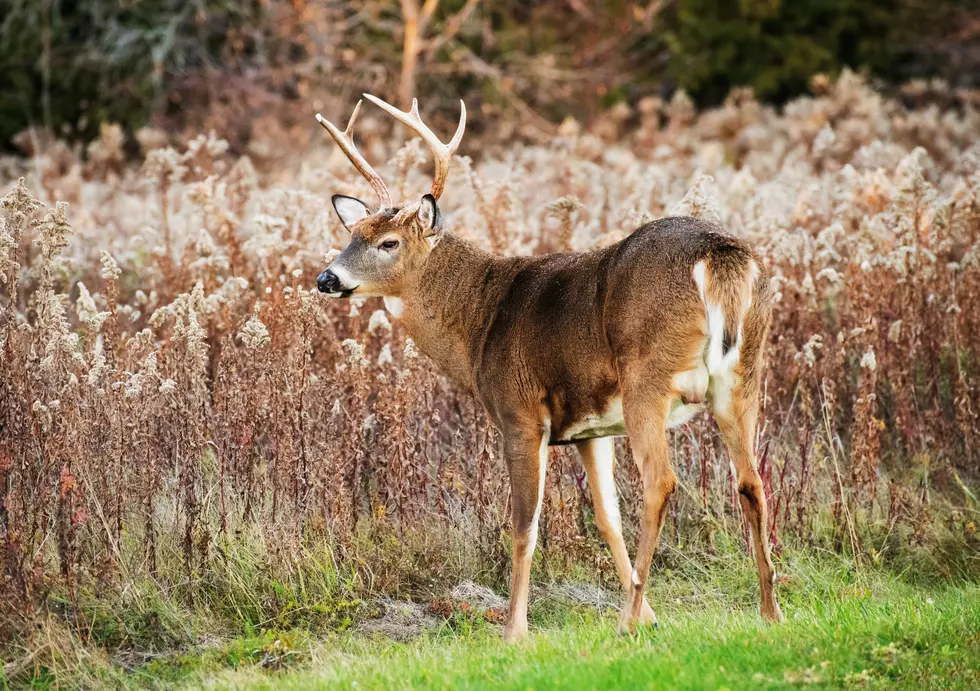
Deer collisions already climb in the fall because of the rut, when deer move around up to 50% more than usual. The time change makes it worse by pushing the evening commute into the dusk hours, when deer are most active.
Researchers found collisions jump 16% in the week after we fall back, and almost 10% of the year's deer crashes happen in the two weeks around the clock change.

In Minnesota, your odds of hitting a deer in the first week of November are roughly 10 times higher than in midsummer.
In Wisconsin, there were more than 17,000 crashes involving deer in 2024, which killed nine people and injured 707. More than a third of them happened in October and November.
The best defense is slowing down at dusk and dawn, scanning the ditches, and remembering that where there's one deer, there's usually another right behind it.
Other Surprising Side Effects of Falling Back
Deer aren't the only thing the time change shakes up. Here are a few more effects you might not expect:
- The "extra hour" is mostly a myth. About 30% of people stay up later and lose the benefit entirely. Even for those who don't, sleep quality tends to dip after the fall change.
- Heart attacks actually drop. One study found heart attacks fell 21% on the Tuesday after we fall back, the opposite of what happens in spring.
- Crash times shift. Overall crashes don't spike the week after the change, but morning crashes go down while evening crashes go up.
- Pedestrians face more danger. People walking near rush-hour traffic in the first few weeks after the change were over three times as likely to be fatally struck by a car.
- The winter blues set in. One study found hospitals saw an 11% increase in depression symptom complaints after clocks go back in the fall.
- Your pets didn't get the memo. Pets and babies don't care what the clock says, so don't be surprised if your dog demands breakfast an hour "early" on Sunday morning.
- This year's change is as early as it gets. November 1 is the earliest possible date for the fall time change, and the 1 a.m. hour will happen twice that morning.
Is Daylight Saving Time Going Away?
Not yet. In July, the U.S. House voted 308-117 to make daylight saving time permanent, but the bill's future in the Senate is uncertain. The Senate passed a similar bill in 2022, only for it to die in the House. If it does become law, states would be able to opt out and stay on standard time.
Minnesota is one of 19 states that have already passed laws for permanent daylight saving time, but the change can't happen until Congress allows it. A separate proposal this year to keep Minnesota on standard time year-round didn't make it through.
SEE NOW: Minnesota Travelers Are Now Warned To Avoid These Places
In Wisconsin, a bill that would have dropped daylight saving time and kept the state on standard time failed to pass in March, so Badger State residents will keep changing their clocks for now.
Both sides have a case. Permanent daylight saving time would mean winter sunrises after 9 a.m. in some parts of the country.
However, the same deer research found that permanent standard time could add an estimated 73,660 deer collisions a year nationwide.
So for now, set your clocks back Saturday night before you go to bed, keep an eye out for deer on the drive home, and go ahead and plug in the Christmas lights a little early.
The Week That Was: In Photos (Oct. 22, 2026)
Every Celebrity That's Been Spotted In Minnesota In 2026 (So Far)
Gallery Credit: Lauren Wells
More From B105